
kaceyk62973198
About kaceyk62973198
Unbiased Article Reveals 3 New Things About Studio That Nobody Is Talking About
 The real estate market does not move in one direction nationwide. It never has. What is happening in Austin is not what is happening in Cleveland. What is true for a three-bedroom in the suburbs of Dallas has almost nothing to do with a two-bedroom in San Francisco. Before you do anything else, narrow your focus to the specific market you are shopping in and stop reading national headlines as if they apply to you personally.
 In markets where builders have added meaningful supply in recent years, prices have pulled back. Several Sun Belt metros that boomed during the pandemic have given back a portion of those gains. But those are the exceptions. Most markets are not working from excess; they are working from scarcity.
 Affordability, by the standard measure of what share of median household income goes toward the monthly payment on a median-priced home, is near its worst level since the early 1980s. That is a real problem, and it is not going away quickly. But affordability being stretched does not mean prices are about to fall sharply. What it means, practically, is that the pool of qualified buyers is smaller than it was three years ago.
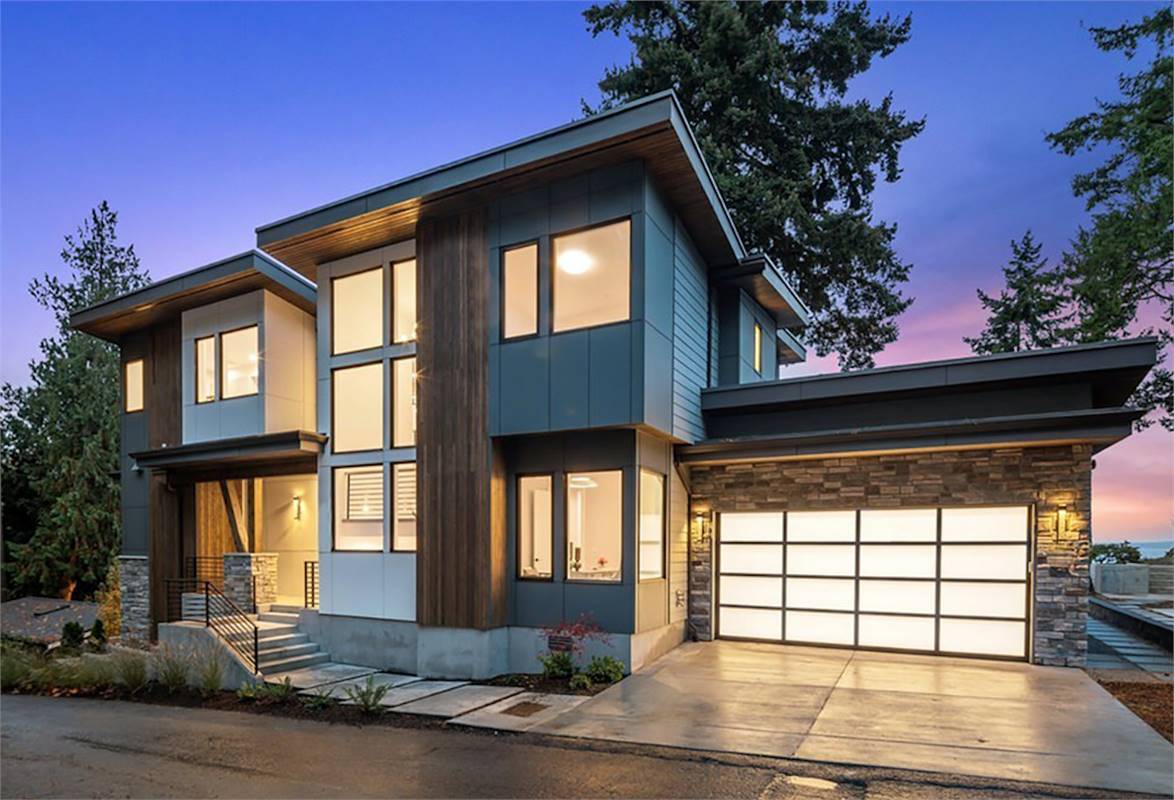 Before you look at a single listing, get your financing fully sorted. Not a rough estimate. Not a verbal confirmation from a loan officer you met once. A full pre-approval based on verified income, tax returns, bank statements, and a hard credit pull. Any agent worth working with will tell you the same thing: no pre-approval, no offer.
The inspection is where the marketing copy meets reality. Be there with the inspector and ask questions throughout. A good home inspector will walk you through what they are finding as they go, and you will learn more about the property in three hours than in any number of showing visits.
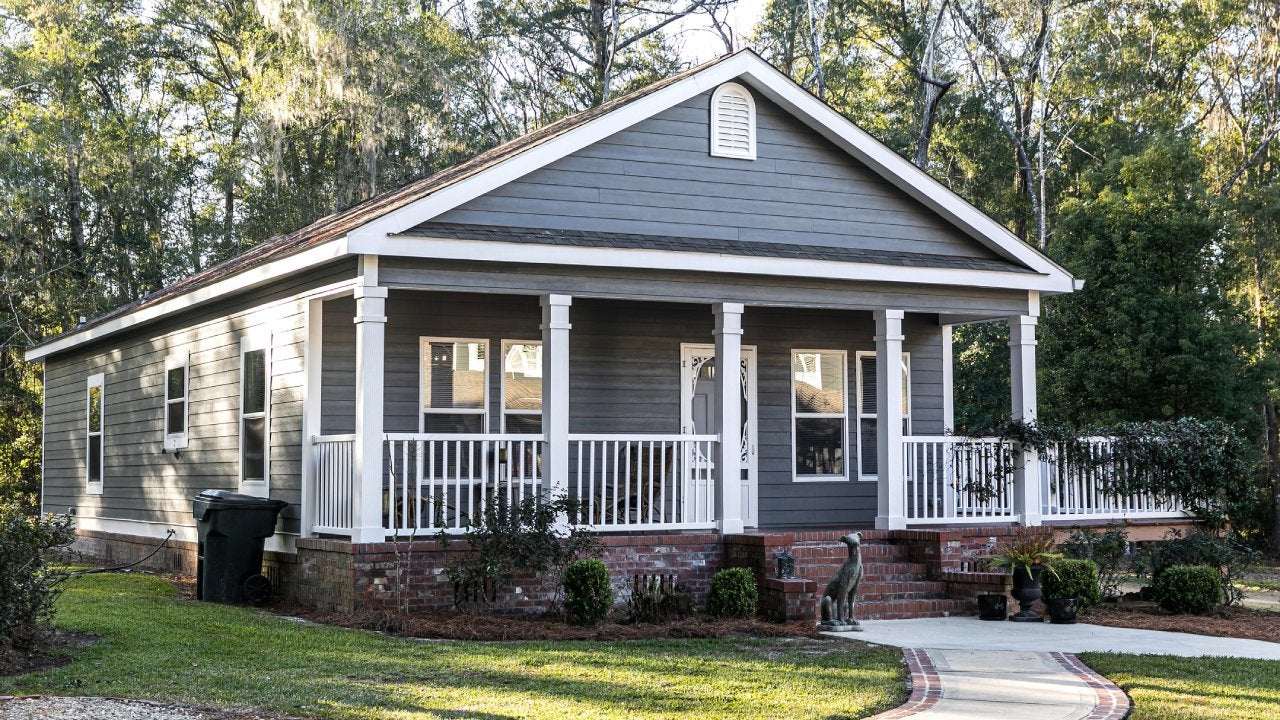 Budget two to four percent of the purchase price for closing costs, on top of your down payment. First-time buyers often do not see the full closing cost picture until the Closing Disclosure arrives three days before settlement. Ask your lender for a Loan Estimate before you make any offers, so you can plan your cash position accurately.
 Real estate is illiquid. If there is a reasonable chance you will need to move in two years, renting is the financially rational choice. None of that means do not buy. It means be honest about your time horizon before you commit.

No listing found.